All Skills in Dragonwilds and How Leveling Works
Published 2026-09-18Updated 2026-09-219 min read
Every skill in RuneScape: Dragonwilds — combat, gathering, artisan and 1.0's new skills — plus how XP, levels and skill unlocks actually work.
True to its RuneScape heritage, Dragonwilds tracks your life on Ashenfall through a set of classic skills. There are no class choices and no manual XP pools: every skill levels through use, and your character simply becomes the sum of what you do. This guide lists every skill, explains how progression works, and shows which skills deserve early attention.
How skill progression works
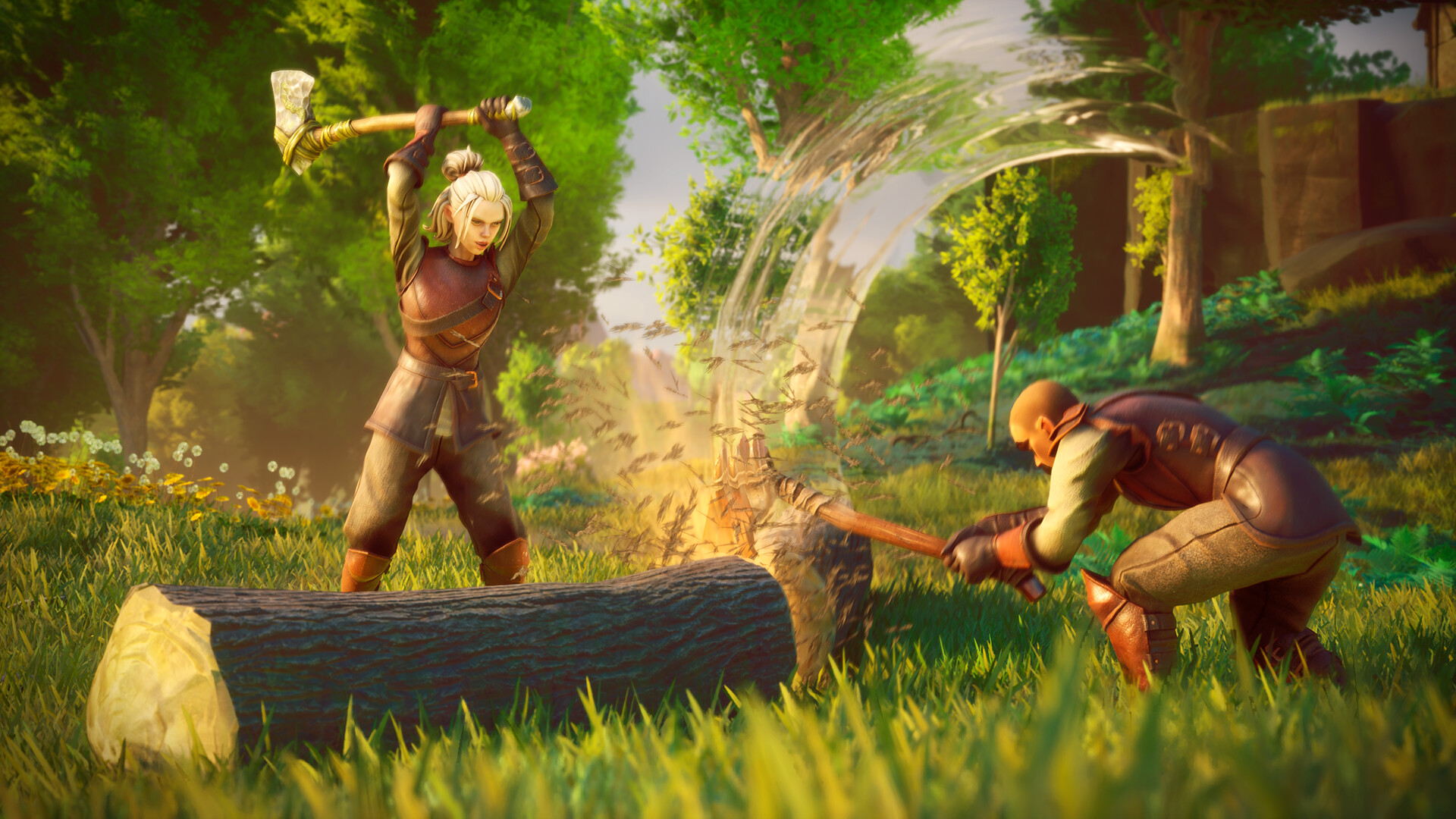
Every action tied to a skill grants experience: every tree felled, every ore node cracked, every goblin felled, every meal cooked. Levels come automatically, and higher skill levels make the underlying activity better — faster gathers, stronger attacks, more crafting options — rather than gating you behind training dummies. Your overall character power is therefore a portfolio: a player who only swings a sword will hit a wall at the first locked crafting recipe, while a rounded character keeps unlocking options everywhere.
Skill levels also interact with the world's gear tiers. Better tools and weapons carry level requirements, so a fresh bronze axe may demand a certain Woodcutting level before your swings feel effective. In practice, the game nudges you to train broadly without ever forcing grinding sessions.
The starting skill lineup
At Early Access launch, Dragonwilds shipped with eight core skills:
- Attack — melee weapons of every tier, from crude clubs to runic greatswords.
- Ranged — bows and thrown weapons; the safest way to deal with dangerous wildlife.
- Magic — offensive spellcasting from Splinter upward; levels raise your arcane damage.
- Runecrafting — converting rune essence into the runes that power your spellbook.
- Woodcutting — felling trees for logs; the backbone of Construction and Fletching.
- Mining — stone, copper, tin, iron and beyond; feeds smithing and construction.
- Cooking — turning raw ingredients into meals that actually sustain you.
- Artisan — the crafting discipline for gear and components, the descendant of RuneScape's Crafting skill.
- Construction — raising buildings, workstations and fortifications for your base.
(That is nine including Construction — the lineup grew as updates landed, and each skill maps directly onto a daily survival activity.)
New skills in 1.0
The full release expanded the roster with four fan-favorite returns:
- Farming — grow crops at your base for a renewable food chain; pair it with Cooking to break your dependence on hunted meat.
- Fishing — a calm, reliable protein source and the gateway to some of the game's best meals; fishing spots dot rivers, lakes and the coast.
- Prayer — the spiritual skill, tied to shrines and burials; training it grants protective blessings that blunt damage in tough fights.
- Agility — movement mastery; higher Agility improves your traversal options, stamina efficiency and escape game.
All four integrate with existing systems: Farming feeds Cooking, Fishing feeds Sustenance on long expeditions, Prayer shores up boss attempts, and Agility pays out every single minute you spend outside a vault.
Which skills to prioritize early
- Woodcutting and Mining — everything downstream (building, smithing, crafting) eats these resources.
- Cooking — raw food wastes the wildlife you kill; cooked food is survival.
- Attack or Ranged — pick the combat style you enjoy; the regions ahead check gear, and gear checks hurt.
- Runecrafting — unlocks your spellbook's full utility; magic saves hours of manual labor.
- Construction — stations and storage are quality-of-life multipliers for every other skill.
Training tips that do not feel like grinding
- Level through progress. Nearly every quest and vault requires gathering or fighting anyway; let the quest log be your training plan.
- Batch your trips. Fill your inventory on one loop through a resource-rich meadow rather than sprinting for single logs.
- Use magic to gather. Rocksplosion and related spells turn mining into casting — you train Magic while collecting ore.
- Fish while planning. Fishing spots near your base give idle-time XP and bank Sustenance for expeditions.
- Bury and bless. If Prayer exists on your roadmap, fold its rituals into your post-fight cleanup routine.
Skills and the endgame
Vault blueprints, region gear checks and the Dragon Queen herself assume a broadly trained character. By the time you reach Fellhollow's gates you will want respectable combat skills, a crafting discipline keeping your gear current, and enough survival skills that long expeditions are self-sufficient. The good news: if you have been playing naturally — gathering, building, cooking, fighting — your skill page is already an endgame resume.
Related guides
- Turning levels into gear: Weapons Guide and Armour Guide
- The magic system behind Runecrafting: Anima & Magic Basics
- Where each region's resources live: Ashenfall Overview
The 99 question
The achievement log's level-99 entries (Attack, Magic, Ranged, Mining, Woodcutting, Artisan) look like grind walls and behave like lifestyle choices. Nobody sane farms 99 Mining in a session; players reach it by months of touching every node they walk past, exactly as this guide has recommended since paragraph one. The practical takeaway: pick the skill your playstyle already feeds — fighters drift to Attack and Magic, builders to Mining and Woodcutting — and let it be your long project. The log's completionists confirm the pattern: the 99s are the last achievements to land, and they land on characters who never once thought about grinding them.