Queen Kuldra Guide — The Five-Headed Dragon Queen, Final Boss
Published 2026-09-20Updated 2026-09-2110 min read
Complete Queen Kuldra raid guide — the Dragon Gate, Kuldra's Sanctum in the Scorned Wilderness, five-headed phase mechanics and the endgame build that downs her.
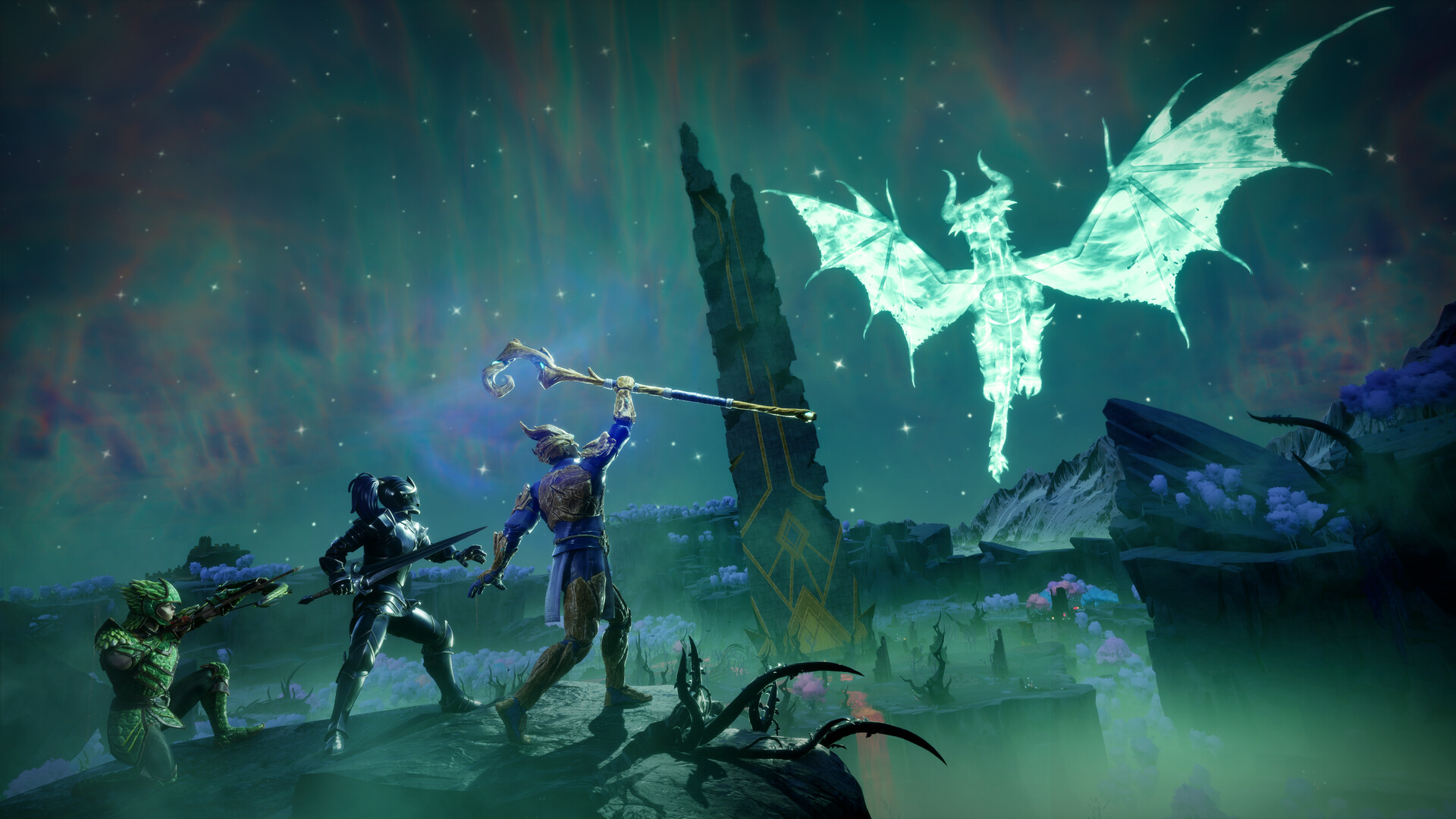
Everything in RuneScape: Dragonwilds — every vault, every general, every hour of gathering — leads here: Queen Kuldra, the five-headed ancient black dragon the continent calls the Dragon Queen and the God Eater. Her raid arena waits in the Scorned Wilderness behind the Dragon Gate, and she is, without competition, the hardest fight in the game. This is the complete guide: her story, her arena, her phases, and the build that survives them.
Who Kuldra is
Kuldra was among the first dragons the dragonkin ever made — and the experiment that went furthest. Where Lacrussa warned against multi-headed broods, Avisk pushed, fusing broods with rune essence until all died but one: a five-headed dragon whose minds worked as one. That unity did what no single head could — it diluted the dragons' inherited rage into something worse: curiosity, reason, even wit.
The dragonkin chained her for study. She watched them experiment on her offspring. And she plotted.
Her revenge reshaped the continent: she led the Dragon Rebellion, killed the garou goddess Lougrim and claimed her divinity, and now rules Ashenfall's dragons as High Queen — worshipped by some of the garou, feared by everything else. Velgar and Imaru are her generals. The vaults are her ancestors' machinery. The Dragon Gate is her front door.
The encounter at a glance
| Detail | Info |
|---|---|
| Location | Kuldra's Sanctum, Scorned Wilderness (via the Dragon Gate) |
| Power level | 9 |
| Health | 240,000 |
| Immunities | None — every damage family lands |
| Story tie | Final boss of Kuldra's Saga; the Regicide arc |
| Respawn | Re-entering the Dragon Gate |
Getting there: the Scorned Wilderness and the Dragon Gate
The Sanctum waits beyond the Umbral Sands, in the Scorned Wilderness — the contested territory where the campaign's political endgame (Regicide) plays out. The Dragon Gate gates the arena itself; entering it starts the encounter. Treat the approach like the delve: a forward camp, full supplies, and no teleport-home plans for a while.
Preparing the endgame build
Kuldra has no immunities — the only raid boss where every enchantment lands — so the build question is pure optimization:
- The vault track's best armour — the Fellhollow and pyramid recipes are mandatory; power 9 checks every slot.
- A damage spread, not a monoculture. Her five heads cycle resistances phase to phase; players who specced one element re-spec after the first wipe.
- Maximum control spells. Five heads mean five simultaneous threat patterns — Snare, Confuse and Vengeance are the difference between chaos and choreography.
- Group roles, agreed in advance. This is the fight the co-op roles were built for: a tank holding head aggro, control managing adds, ranged core on damage, support running healing and utility. Solo kills exist and are heroic; the fight is tuned as a raid.
- Supplies for a long fight. A 240,000 health pool means this is a marathon — food rotations, essence reserves and cooldown discipline matter more than any single burst.
The fight: five heads, one rhythm
Her five heads are the fight's language — each carries a pattern, and the rotation speeds up as the health bar falls:
- The breath heads — poison and flame cones that own arcs of the arena. Geometry wins: strafe the cones, never stand in the residue, and treat the arena's terrain as your diary of what not to touch.
- The storm head — meteor barrages at raid scale: whole zones marked and punished. Keep moving; standing still is a build choice, and a bad one.
- The sovereign head — commands. Adds, summons and minions enter on its call; the control player's whole job lives here. Adds die first, always.
- The elder head — the soul-tier attacks Kuldra inherited from the same wild anima that made Imaru what she is: vitality drains and pressure casts that punish static players. Break line-of-sight during its casts; it's the one head that respects a pillar.
The meta-shape of the fight: phases rotate heads in and out of dominance. Your damage windows come when a head commits to a long cast on someone else — punish, rotate, reset. The fight is a clock, and the parties that win are the ones that keep their own timing while hers accelerates.
Phase checkpoints
- Phase one (100–70%): The education phase. Learn which head does what; bank resources; do not spend cooldowns early. Wipes here are free lessons.
- Phase two (70–35%): Heads overlap. Two threat patterns at once is where group roles earn their keep — tank holds, control peels, damage punishes. Healing uptime becomes the true DPS enabler.
- Phase three (35–0%): Everything, faster. Spend everything — this is why you saved it. Keep the adds priority discipline; most phase-three wipes are add-wipes wearing a boss costume.
After the God Eater falls
Kuldra's death is the campaign's true ending — the Saga closes, the Scorned Wilderness changes, and the drop table delivers the game's rarest materials and cosmetics. Repeat attempts (re-enter the Dragon Gate) farm the encounter for its full table. The continent never quite feels the same afterward: you came to Ashenfall a castaway, and you leave it a godslyer.
Frequently asked questions
What power level do I realistically need? 9 is the rating; the practical checklist is the full endgame vault track cleared and the northern bosses downed. If Imaru still scares you, Kuldra will end you politely.
Solo viable? By the heroic few. The encounter is tuned as a raid — four players with roles is the intended shape. Solo kills are community legend, not a build guide.
What's the most common wipe cause? Phase two add mismanagement — the sovereign head's summons win fights Kuldra never could. Kill adds first; the Queen keeps.