Crafting Stations Guide — Every Workstation in Dragonwilds
Published 2026-09-18Updated 2026-09-219 min read
All crafting stations in RuneScape: Dragonwilds explained — Blacksmith Bench, Mystic Forge, Rune Altar, Tannery, Kiln, Loom and what each unlocks.
Stations are the heart of any Dragonwilds base — each one converts raw Ashenfall materials into the gear, food and magic that keep expeditions alive. This guide covers every station in the game, what it unlocks, and how to arrange them into a base that actually flows.
The station families
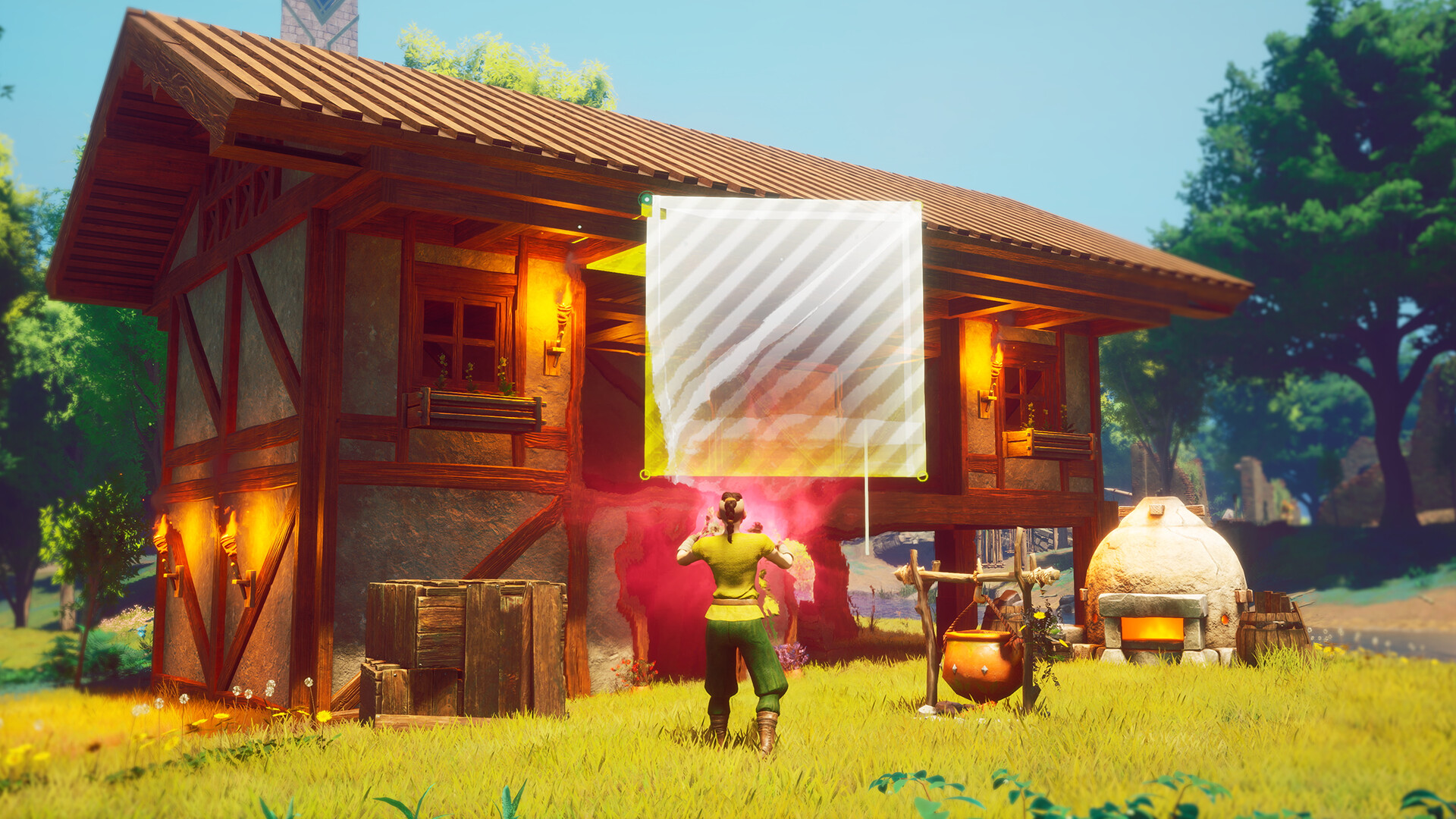
Dragonwilds' workstations split into five families: smithing (metal), textiles (fiber, leather, cloth), magic (essence and enchantment), food (cooking and processing), and building trades (stone, wood, accessories). Most stations upgrade from a crude tutorial version to a dedicated bench as the campaign advances.
The full station list
Smithing family
- Furnace — smelts ore into bars; the entry point of the metal economy. Copper and tin in, bronze out; iron follows with better fuel and upgrades.
- Blacksmith Bench — the metalworker's home: weapons, tools, fittings and the mid-game's armour foundations. Every melee build lives here.
- Kiln — fires clay into brick and hardened ceramics; advanced Construction's supplier.
Textiles family
- Spinning Wheel — fiber into thread; the first link in the cloth chain.
- Loom — thread into cloth; robes, padding and the arcane gear line start here.
- Tannery — hides into leather; light armour, bags and components.
Magic family
- Rune Altar — rune essence into spell runes, via the timing mini-game. The most important square meter of any base; full economics in the Runecrafting guide.
- Mystic Forge — elemental weapon enchantments. The difference between hitting a Fellhollow skeleton and convincing a Fellhollow skeleton.
Food family
- Campfire — the tutorial station that never stops being useful: cooked meals, rested bonuses, and a light source.
- Cooking Range — the campfire's promotion: multi-ingredient meals, buffs and the food stacks expeditions run on. Recipes worth your time in the Cooking & Food guide.
Building trades
- Armour Bench — protective gear in every material tier; the counterpart to the Blacksmith Bench.
- Jeweler's Bench — accessories and trinkets; the small stat edges that boss checks demand.
- Fletching Bench — bows, arrows and ranged components; the ranger's home.
- Farming plots (1.0) — renewable crops; the Food family's farm-to-table expansion.
What to build, in what order
- Campfire and chest — day one, before anything else. Food and death insurance.
- Spinning Wheel and Tannery — your first real armour comes from fiber and hides, not metal.
- Furnace and Blacksmith Bench — the bronze age; melee and tools.
- Rune Altar — as soon as Rune Mysteries teaches it. Non-negotiable.
- Cooking Range — when the base can support it; meal buffs are the cheapest power in the game.
- Armour Bench and Mystic Forge — the pre-Ghornfell gear check.
- Kiln, Loom, Jeweler's Bench, Fletching Bench — as each region's recipes demand.
Layout: arrange by workflow
Stations are cheap to place and expensive to run back to, so layout is a real efficiency gain:
- Smelting corner — Furnace, Kiln and Blacksmith Bench in a line; ore chests between them.
- Textile corner — Spinning Wheel, Loom, Tannery; fiber and hide chests adjacent.
- Magic corner — Rune Altar beside the Mystic Forge; essence chests in reach. Your daily rune batch becomes a two-step walk.
- Kitchen — Cooking Range with the food chest beside it; cook in bulk on every return.
- Storage spine — one chest per material family, labeled by position if not by name. The "grab bag" chest (pre-packed expedition loadout) lives by the door.
Full base planning — site selection, defense, forward camps — lives in the Base Building 101 guide.
Station upgrades and the mid-game
Most stations have upgrade paths that unlock faster processing, more recipes or automation. The two that change daily life most:
- Rune Altar automation — background essence conversion turns magic from a chore into a utility; prioritize it the moment the upgrade appears.
- Cooking Range upgrades — higher-tier meals multiply every expedition; the food chain is the quiet backplane of all progression.
Stations and skill XP synergy
Every station quietly trains a skill, which is why station variety is the lazy path to a well-rounded character. The Furnace and Blacksmith Bench feed Artisan and Mining's payoff; the Loom and Tannery round out Artisan; the Cooking Range is Cooking XP with meals as the byproduct; the Rune Altar prints Runecrafting levels with every batch. A player who owns and uses all seven core stations levels six skills without ever visiting a training spot — and the achievement log pays out accordingly. The base-building lesson hides inside the system: in Dragonwilds, the fastest way to level a character is to build the workshop that levels them while you play.
Frequently asked questions
Can stations be moved? Yes — pick them up and replace them; no materials are wasted. Rearranging is free, so experiment.
Do I need every station? For a complete account, eventually. For the mid-game, the big seven (campfire, chest, Rune Altar, Furnace, Blacksmith, Armour Bench, Cooking Range) cover 90% of daily output.
Where do the rare recipes come from? Vault chests and effigies — the vault track is the game's recipe ladder; stations just execute what the vaults teach.