Co-op, Multiplayer and Cross-play Explained
Published 2026-09-19Updated 2026-09-218 min read
How multiplayer works in RuneScape: Dragonwilds — hosting, cross-play between PC and consoles, shared bases, loot rules and group roles.
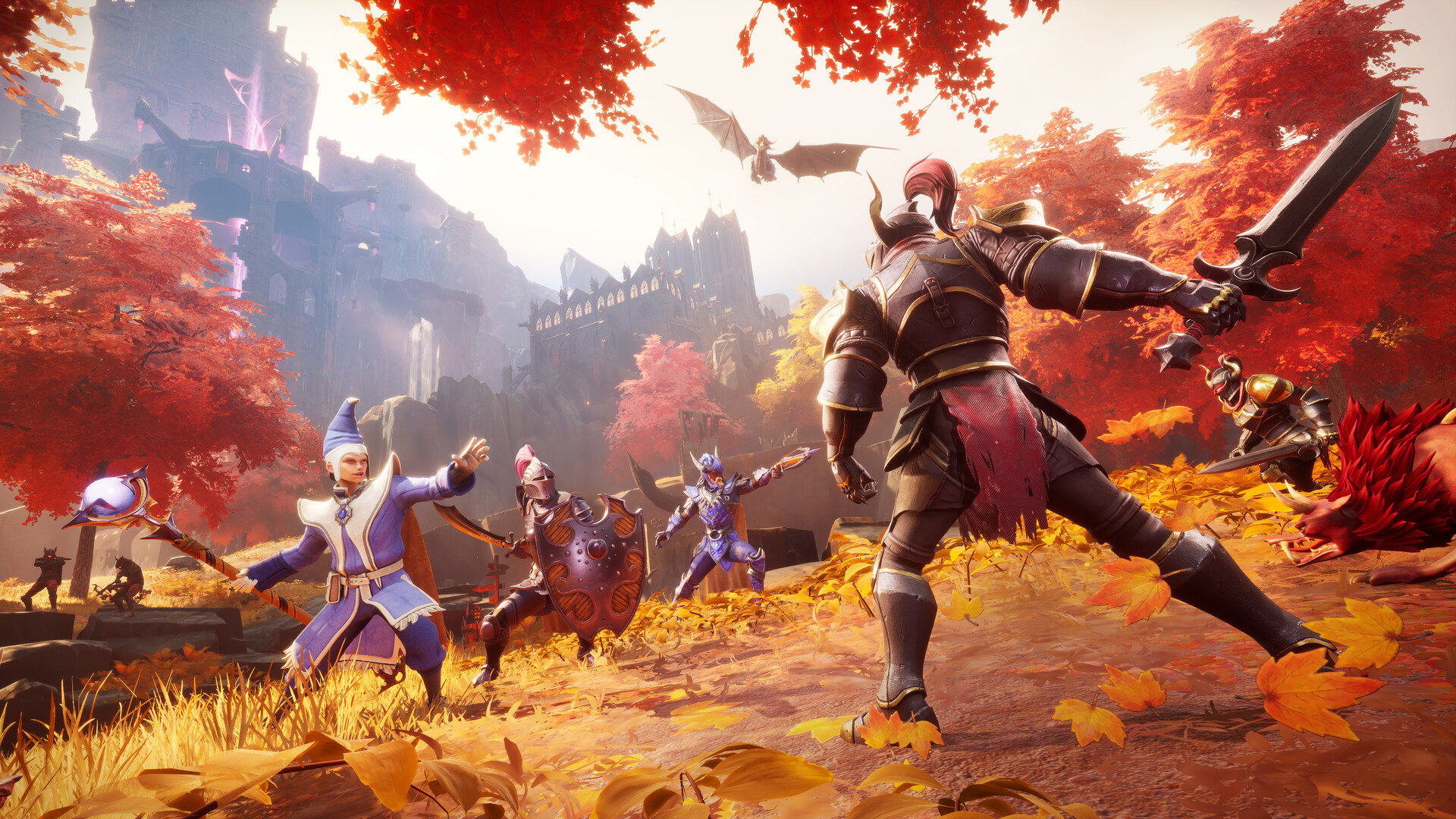
RuneScape: Dragonwilds is designed as a 1–4 player co-op survival game, and since the 1.0 release friends can adventure together across platforms: Steam, PlayStation 5 and Xbox Series X|S all share worlds through cross-play. This guide explains how hosting works, what is shared, how loot and progression behave in groups, and how a four-player team should divide its labor.
Hosting and worlds
One player hosts a world; up to three friends join. The world — terrain, bases, chests, world state — lives with the host, so co-op groups typically orbit one host's save. Progression is individual where it matters: skills, quests completion and recipes are per-character, while the physical world (including everything you build together) belongs to the host's save file. Groups that play across multiple sessions should agree early on whose world is "home base," or you will end up duplicating storage across saves.
Joining is straightforward through the in-game session browser or a direct invite. Voice chat or a third-party call makes vault runs dramatically smoother, since most vault mechanics — levers, timed doors, guardian pulls — reward quick coordination.
Cross-play on PC, PS5 and Xbox
With 1.0, Dragonwilds launched simultaneously on PC and both current-gen console families with cross-play enabled between them. A few practical notes:
- No platform lock on friendship — a Steam host's world accepts PlayStation and Xbox guests.
- Controls are equal, not identical — console players get full controller support; aim-assist philosophy differs slightly from mouse precision, so mixed groups often assign console players melee or magic roles and PC players bow duty. Play what you enjoy; the scaling does not care.
- Cross-progression is not the same as cross-play — your character is tied to the platform ecosystem where it was created, so a "couch-to-PC" character transfer is not a feature to plan around.
What is shared and what is not
| System | In co-op |
|---|---|
| World and terrain | Shared — one host save |
| Bases and chests | Shared physically; contents are first-come, first-served |
| Skills and levels | Individual per player |
| Quest completion | Individual — each player turns in their own |
| Vault loot chests | Individual instanced rewards for interactive chests; world drops are shared |
| Boss kills | Everyone present gets credit toward their own quest lines |
The golden rule for groups: assume personal progression is personal. If one member skips the Rune Mysteries quest line, they will lack runes nobody else can hand them — quest together or schedule catch-up sessions.
Division of labor for a four-player team
Dragonwilds does not hard-lock classes, but gearing focus creates natural roles:
- The Warden (melee) — heavy armour, shield, holds guardian attention in vault doorways.
- The Arcanist (magic) — sustains the rune economy for the group, carries crowd control (Snare, Confuse, Vengeance) for packed rooms.
- The Ranger (ranged) — bow and crossbow specialist; handles aerial threats and picks off backline casters.
- The Quartermaster (support/build) — owns the base, farms, cooking and equipment backups; in the field, carries healing and utility spells.
Even a duo benefits from splitting one gatherer/one fighter, and solo players effectively play all four roles by keeping a versatile kit — melee weapon, bow, and a utility-first spellbar.
Group etiquette that keeps campaigns alive
- Loot by need, not by greed — gear tiers drop slowly; a rotating "first pick" order avoids resentment.
- Sync quest lines weekly — keep everyone within a quest or two of the story front.
- Shared building fund — a communal chest for Construction mats keeps the base growing without taxing one player.
- Downed is not dead — in group play, revive priority beats loot priority; a four-player team that resurrects fast outlives content that outgears it.
- Vault roles before entry — thirty seconds of planning beats three player-downs and a graveyard run.
Solo versus co-op balance
The game scales encounters with group size, so nothing is co-op-only — but several vaults and bosses are meaningfully easier with a friend, and hauling resources for a shared base is where co-op truly shines. If your group's schedules drift apart, remember any player can progress solo in their own world and return; skills and recipes travel with the character, even when the base does not.
Related guides
- Building the shared home base: Base Building 101
- Assigning spell roles: Combat Spells Guide
- Planning a group vault night: Dragonkin Vaults Overview
Shared world, shared chores
The campaigns that last are the ones where the base's chores are rotated, not assigned by accident. A simple weekly rotation keeps it fair: one player owns cooking restock, one owns the rune economy, one owns construction upgrades, one owns expedition catering. Rotate weekly and nobody burns out on their least favorite chore — and the base never hits the classic co-op failure state, where everyone assumed someone else fed the food chest. The same logic scales to vault nights: whoever hosts supplies the world, whoever crafted the challenge horns brings spares, and whoever died first picks the next run's route. Small courtesies, long campaigns.