Mounts Guide — Every Mount in Dragonwilds and How to Get Them
Published 2026-09-19Updated 2026-09-218 min read
All mounts in RuneScape: Dragonwilds — terrorbirds, magic carpets, desert striders and more, with where each mount comes from and which ones matter.
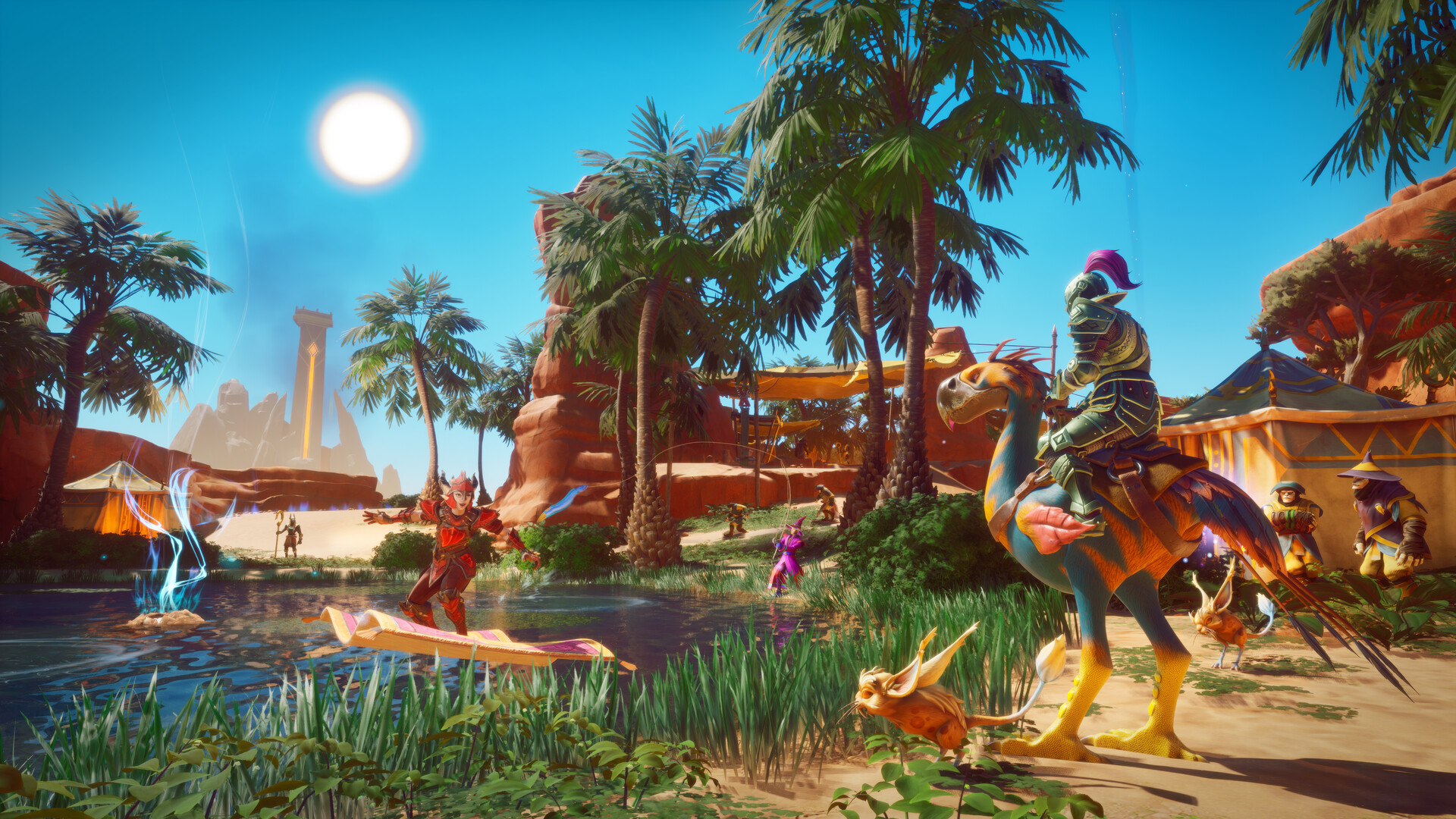
Mounts turned from novelty to necessity with the Umbral Sands update: when a region's weather attacks your hydration bar, four legs beat two. The roster has grown into a proper stable — terrorbirds, carpets, striders and stranger things — each with its own acquisition trail. This guide lists every mount, where it comes from, and which ones earn their stall.
Why mounts matter
Three jobs, in order of importance:
- Travel speed. Ashenfall is big, and region-to-region logistics are the game's quiet time cost. A mount halves it.
- Hydration strategy. In the Umbral Sands, riding between oases is the difference between a route and a death march. The desert guide plans around it.
- Haul capacity. Riding expeditions carry more per trip, which quietly upgrades every gathering loop in the materials guide.
The mount roster
The stable has grown across updates into a long ledger — the community's collection page lists dozens, from the humble to the ridiculous. The ones that matter most, by family:
The terrorbird family
Ashenfall's signature rides — the flightless birds that Defined RuneScape wildlife, now defined by yours:
- Terrorbird — the classic: the standard all-terrain bird, and the first serious mount most players ride.
- Applefeather Mosstail, Astralbeak Warbler, Coastal Sunbeak and kin — the feather-line variants, each with regional flavor and collection value.
- Crimson Crybaby, Eclipseborn Sharpbeak, Infernal Blightbeak — the edgier plumage lines; late-collection trophies with real stats.
The carpet and weave line
- Magic Carpet — the desert's flying luxury: the Umbral Sands' signature ride, earned through the region's endgame track. Flying over dune sea is exactly as good as it sounds.
- Moonsilk Weave / Scorchweave Rug — the crafted-weave cousins; textile-endgame flexes that ride as well as they decorate.
The strider and beast lines
- Leafwood Strider / Springdown Runner — the woodland speedsters; graceful, quick and popular with gatherers.
- Uzzerian Umber — the dunes' own beast, named for the sand it was bred on.
- Zamorakian Pledgesaddle — the dark-themed trophy mount; endgame collection territory.
- Sunkissed Clawfoot, Summerbellied Wagtail, Manafem Midnight, Mossbeak Hunter, Grassfoot Screecher, Oakfeather Raptor, Scorchsummer Ashbeak — the desert and regional herds' extended roster; the collection layer for stable completionists.
Where mounts come from
Acquisition trails fall into four patterns:
- Regional herds and handling. The living mounts (birds, striders, beasts) are found, tamed or earned through region content — the desert's plains and oasis settlements are the densest hunting grounds.
- Vault and pyramid rewards. The endgame track pays its own rides; the pyramid vaults are the Magic Carpet's neighborhood.
- Crafted weaves. The carpet family's crafted cousins run through the textile endgame — Loom upgrades and desert materials (stations guide).
- Quest and event rewards. Several rides ride in on quest lines and seasonal events; the side quests hub and news page track the rotating sources.
Which mounts to prioritize
- First real mount (any terrorbird-tier ride). The moment your travel time halves, every other system speeds up. This is the highest-value acquisition in the mid-game.
- A desert-proof ride before the Sands. Hydration logistics are the region's tax; the bird pays it.
- The Magic Carpet, eventually. The endgame's quality-of-life crown — flying changes map reading the way Windstep changed cliffs.
- Collection mounts last. The feather-lines and weaves are trophies; wonderful, non-urgent.
Stable management tips
- Stables live at your base — plan a paddock in the base layout before the stable grows.
- Mounts and vaults don't mix — dungeons are indoor business; park at the entrance and note the gravestone rules.
- Feed and maintain — the care loop is light, but neglected rides are slow rides.
Riding etiquette and maintenance
A stable is a responsibility, and the community's standards are settled. Keep your ride fed before long hauls — a maintained mount holds speed on the long crossings that matter. Park clear of vault entrances: the gravestone-at-the-door rule assumes a clean approach, and a parked bird in a guardian's path helps no one. Dismount before fights — mounts are transport, not armor, and heroes who fight from the saddle meet the ground professionally. And on group rides, match the slowest mount: the caravan moves at the pace of whoever's carrying the food. Small things — but the players who follow them are the ones whose mounts are still there when the desert crossing starts.
Frequently asked questions
What's the fastest mount? The speed crown trades hands with patches — the carpet line and the top-end birds lead; check the community collection pages for the current numbers.
Do mounts fight? Yours doesn't — mounts are transport, not cavalry. Wild ones absolutely fight, which is how most players meet the herds.
When should I start collecting? After your first region change. One good bird upgrades everything; the collection fills itself as the regions open.